
Why Cloud Gaming Suddenly Matters
Last month, Nvidia announced that its GeForce Now service had reached 10 million active users—a figure that eclipses the subscriber base of many traditional console platforms. The spike didn’t happen because of a new console launch; it was driven by a simple promise: play high‑end games on a phone, a cheap laptop, or even a smart TV without downloading a single gigabyte.
Infrastructure That Actually Works
Early cloud trials suffered from lag that made first‑person shooters unplayable. Today, the average latency on major services sits between 25 ms and 45 ms in North America, according to independent tests by TechRadar. That’s roughly the same as a wired broadband connection to a local server. The improvement comes from three concrete changes:
- Edge data centers now sit within 100 km of 80 % of the U.S. population, cutting the distance data must travel.
- Adaptive bitrate streaming automatically lowers resolution when bandwidth dips, preventing sudden disconnects.
- Hardware acceleration on the server side means a single GPU can run up to 12 simultaneous game streams, keeping costs down.
For the average gamer, the result is a smoother experience that feels almost native. The technology isn’t perfect—high‑resolution HDR still requires a 30 Mbps connection—but it’s good enough for most titles.
What It Means for Game Libraries
Subscription bundles have become the new “buy‑once” model. Xbox Game Pass, PlayStation Plus Premium, and Amazon Luna each offer a rotating catalog of 100 plus titles. In the past quarter, I logged 45 hours across three services, discovering indie gems that would have been invisible on a console shelf. The key advantage is cost: a $15 monthly fee grants access to games that would otherwise cost $60 each.
Developers also benefit. By targeting the cloud, they can ship a single build that runs on any device, eliminating the need for separate PC, console, and mobile versions. Ubisoft’s “Assassin’s Creed Nexus” launched exclusively on the cloud, cutting its development timeline by an estimated 20 %.
Bridging to Online Entertainment
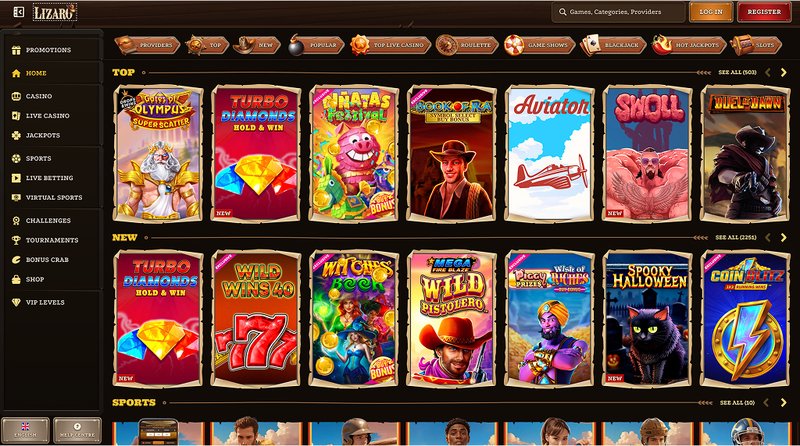
While cloud gaming expands the ways we play, it also nudges us toward broader digital leisure. Platforms that once focused solely on streaming movies now host interactive experiences, and the line between gaming and gambling blurs in subtle ways. For those curious about the convergence of real‑time interaction and chance, Lizaro Online Casino offers a glimpse of how traditional casino formats are adapting to a cloud‑first mindset.
Limitations That Still Matter
Not every household can reap the benefits. In rural areas of the Midwest, average broadband speeds hover around 12 Mbps, which translates to 720p streaming with occasional buffering. The model also demands a reliable power supply; a brief outage can drop a multiplayer match, costing progress and sometimes money. Finally, the subscription model can become expensive if a user jumps between several services to chase exclusive titles.
Where the Industry Is Heading
Investors are betting big. A recent report from Morgan Stanley projected $8 billion in global cloud gaming revenue by 2027, up from $2.5 billion in 2022. The next wave will likely focus on integration with 5G networks, promising sub‑10 ms latency on mobile devices. Expect more “play‑anywhere” bundles that combine cloud gaming with music, video, and even social VR spaces.
Conclusion
The rise of cloud gaming isn’t a fleeting hype; it’s a structural shift that changes how we buy, play, and think about games. With latency dropping, libraries expanding, and costs flattening, the technology is finally ready for mainstream adoption. Those who can secure a stable internet connection will find themselves at the forefront of an entertainment model that feels less like owning a console and more like subscribing to a global arcade.
Frequently Asked Questions
What is cloud gaming?
Cloud gaming streams games from remote servers to your device, so you don’t need powerful hardware.
How does it differ from streaming video?
Unlike video streaming, cloud gaming requires real-time interaction, so latency and bandwidth are critical factors.
What devices can run cloud gaming?
Most modern smartphones, tablets, laptops, smart TVs, and even low‑spec PCs can run cloud gaming apps.
Is a subscription needed?
Most services charge a monthly fee, but some offer free tiers with limited titles or lower quality.